news
Bridging Nutrition with Technology to Monitor Child Growth
13 Nov 2025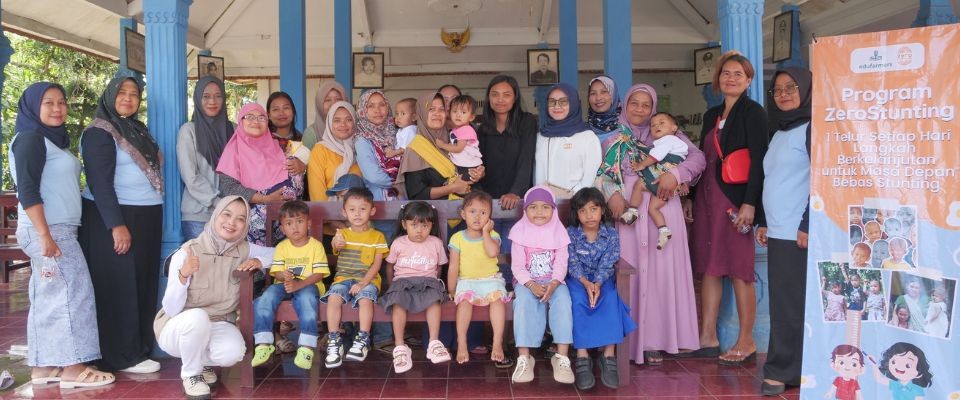
Edufarmers International Foundation, with support from Kitabisa.org’s Bisa Sembuh Fund and Infoxchange’s APAC Digital Transformation 2.0 Program, has piloted an integrated nutrition and digital innovation program in Kalipare, Malang, East Java—reaching 135 caregivers and children across six villages. The ZeroStunting Initiative set out to test how combining direct nutrition support and AI-driven digital tools could accelerate progress toward Indonesia’s national stunting reduction targets.
Through the flagship One Day One Egg (1D1E) program, each child received one egg daily for six months, totaling 28,350 eggs distributed. The program was complemented by parental education workshops and continuous monitoring via SAKTI, a WhatsApp-based AI chatbot, and the ZeroStunting Knowledge Hub, which hosted more than 60 educational articles and 13 short videos reaching over 33,000 views.
By digitizing processes and communication, SAKTI transformed manual reporting into a seamless system—reducing data entry errors, improving real-time monitoring, and freeing up community health workers to focus on counseling and behavioral change.
Key Results
Improved Nutrition and Health Outcomes
- Stunting prevalence declined by 14% within six months.
-
Severe stunting cases fell by 32%.
-
Underweight prevalence dropped by 46%.
Stronger Compliance and Engagement
-
Daily egg-feeding compliance rose from 76% to 92%.
-
Monthly Posyandu visits increased from 88% to 97%, showing better engagement with local health services.
-
Over 90% of families adopted improved childcare practices such as meal frequency, dietary diversity, and routine growth monitoring.
Knowledge and Behavior Change
-
Workshop participation improved parental knowledge by 5% on average, with deeper learning (+19%) when more advanced topics were introduced.
-
SAKTI chatbot quizzes added another 6% knowledge gain, proving that light-touch digital engagement sustains learning.
-
Parents’ confidence in preparing nutritious meals nearly doubled—from 42% to 80%.
Key Learnings
Looking forward, Edufarmers will use these lessons to refine and scale the model. Three priorities stand out—valuable not only for us, but for any organization working on stunting programs:
-
Pair food interventions with behaviour change: Nutrition support works best when combined with education and coaching that help families put knowledge into daily practice that can provide lasting change. Messaging should be refined to move beyond what to feed toward how to feed, with greater focus on mealtime routines, feeding environments, and healthy daily habits.
-
Leverage technology as an enabler: Digital tools—like reminders and chatbots—can keep parents engaged, deliver bite-sized guidance, and reduce reporting burdens on frontline workers.
-
Plan for the long journey: Stunting reduction takes time and persistence. Program results should be monitored for a longer period, emphasize healthy routines (mealtimes, sleep, play), and involve cross-sector collaboration on illness prevention and early stunting prevention efforts targeting maternal health are critical to reduce stunting.
With these improvements, Edufarmers aims to scale One Day One Egg to more communities, also to work with likeminded organizations to achieve our ZeroStunting goals of bringing Indonesia closer to a future where no child is limited by stunting.
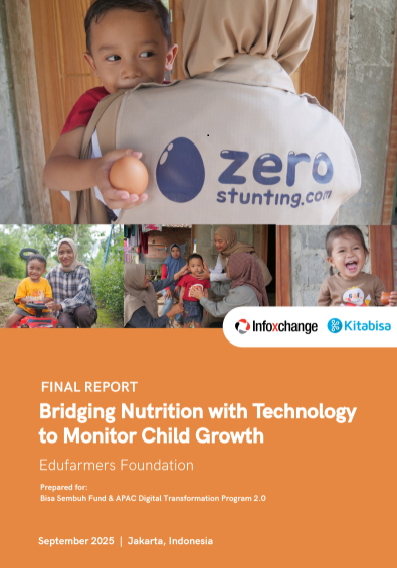
Read the full report here: ZeroStunting Final Report
 Back To List